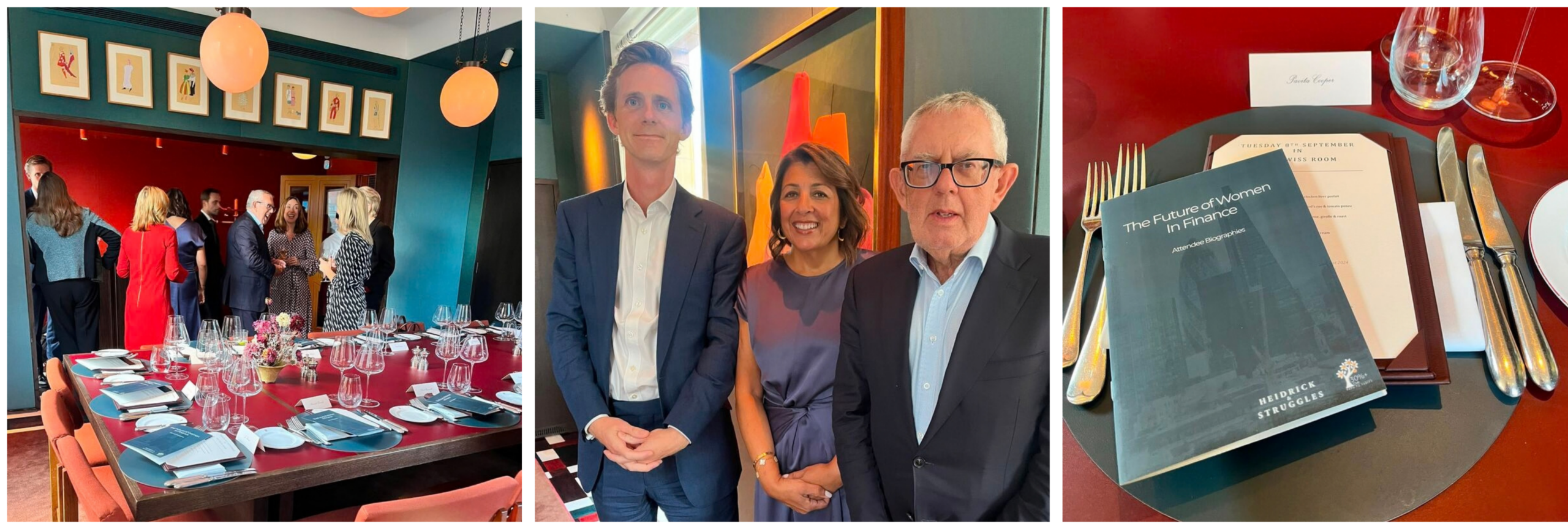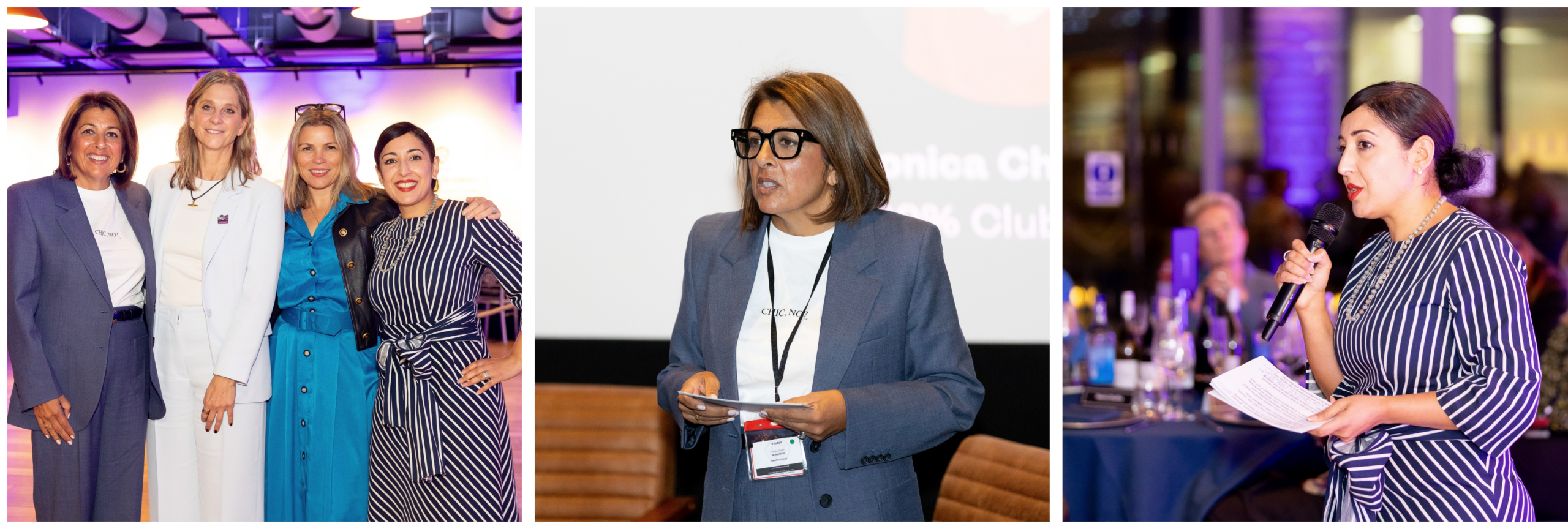
In September 2026, we focused on the screen, film and gaming industries. Facilitated by our steerco member Monica Chadha, 30 leaders from television, film, gaming and digital platforms came together to discuss how to ensure women have equal access to the leadership roles shaping the future.
Women make up 38% of the UK’s creative workforce, and women are increasingly visible in management and around board tables. But ask who controls the budgets, commissions the content or sits on the CEO succession slate, and the picture changes.
Representation is not the same as power.
- In film, BFI research found women represented only 9% of directors across its historical dataset.
- In games, women hold only around a quarter of senior leadership positions.
These are the challenges we addressed last night.
Pavita Cooper set the stage, and handed over to our host Emily Stillman who led a brilliant panel including Charlotte Riley and Sarah-Jane Wright
They shared their insights and experiences as women in the screen industries, and crucially the changes they are pushing for.
One thread stood out: the lack of flexible childcare pushes talented women out of production altogether, and costs men the same time with their families. Where onsite nurseries exist, they work but they are still far too rare.
Over dinner, each table took on a different question, facilitated by Emily Stillman, Julie McKeen and Sally Roake
→ Where the talent pipeline leaks and why the barriers have proved so stubborn
→ How we define and spot leadership, and how senior leaders can use their influence to sponsor women into real commercial power
→ Where resistance to change will come from, including as AI reshapes roles and career paths
Monica Chadha drew the threads together in an excellent summary:
● The “CEO-ready” candidate is still defined by a narrow set of P&L and finance experiences, with little room for anyone to be a first-timer.
● The women who did break through often did so by conforming to a male-coded model of leadership, at real personal cost, and the room was clear that the next generation should not have to repeat that.
● Being the first woman in a role means inheriting the position without the support system, and mentoring needs to run both ways.
● Flexibility and caring responsibilities have to become normal for all parents, not a women’s issue.
● And the UK’s screen industries punch above their weight globally, which is exactly why we cannot afford to leave talent on the table.
Our thanks to Odgers for co-hosting, to Emily Stillman for leading the discussion and to every leader who gave their evening to this conversation.
The screen industries shape how millions of people see the world. Who leads them matters.